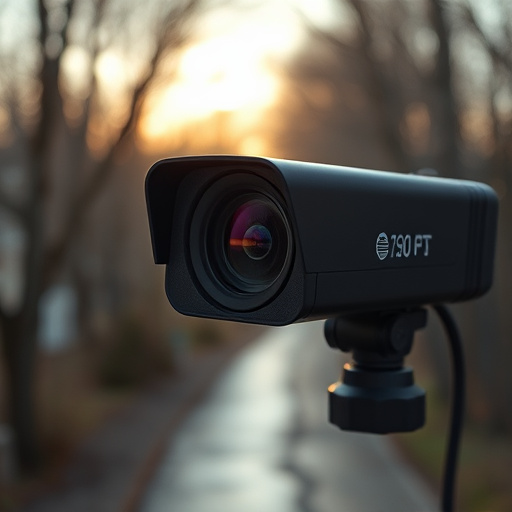
Modern technology offers sophisticated yet discreet motion-activated surveillance systems, integrating seamlessly into everyday home objects like decorative figurines or appliances. These devices provide homeowners with remote monitoring via smartphone apps, capturing high-definition footage and recording activity without raising suspicion, thus enhancing security while preserving privacy. However, the ethical implications of these hidden cameras, which can capture intimate moments without consent, raise serious concerns about privacy invasion and foster a culture of constant observation, necessitating clear guidelines to protect fundamental rights.
In today’s digital era, home security has evolved with the integration of miniature surveillance devices into everyday objects. This article explores the discreet motion-activated surveillance system—a game-changer for homeowners seeking enhanced safety. We’ll uncover common household items that can double as surveillance tools, from smart lights to coffee makers. Additionally, we’ll delve into ethical considerations and privacy concerns, ensuring you’re informed about this innovative yet sensitive technology.
- Understanding Discreet Motion-Activated Surveillance Systems
- Common Objects That Can Be Incorporated for Surveillance
- Ethical Considerations and Privacy Concerns
Understanding Discreet Motion-Activated Surveillance Systems
Modern technology has given rise to sophisticated and discreet motion-activated surveillance systems, offering homeowners a powerful tool for enhanced security. These innovative devices are designed to blend seamlessly into everyday home objects, such as decorative figurines or everyday appliances, making them virtually undetectable. When an individual enters the designated area, the system automatically triggers, capturing high-definition footage and recording activity without raising suspicion.
The beauty of these systems lies in their ability to provide remote monitoring capabilities via smartphone apps, allowing homeowners to keep a watchful eye on their properties from anywhere. With motion detection technology that is both sensitive and accurate, these discreet surveillance solutions offer peace of mind while ensuring privacy. This advanced approach to home security is transforming the way we protect our spaces, making it an attractive option for tech-savvy individuals seeking comprehensive protection.
Common Objects That Can Be Incorporated for Surveillance
In today’s digital age, technology has become increasingly integrated into our daily lives, and this trend extends to home surveillance systems. A discreet motion-activated surveillance system can be implemented using seemingly ordinary household objects. For instance, smart lights can double as security cameras with motion detection capabilities, capturing any unexpected movements within a room. Similarly, everyday items like kitchen appliances or decorative figurines can be fitted with hidden cameras, providing an unobtrusive yet effective monitoring solution.
These miniature surveillance devices offer a unique advantage in terms of subtlety and convenience. By incorporating such technology into common objects, homeowners can maintain a sense of normalcy while enjoying enhanced security. Whether it’s a motion-sensitive refrigerator camera or a discreetly placed smart mirror, these innovative setups ensure peace of mind without compromising on aesthetics.
Ethical Considerations and Privacy Concerns
The integration of miniature surveillance devices into everyday home objects raises significant ethical considerations and privacy concerns. As technology advances, allowing for increasingly discreet motion-activated surveillance systems, the line between convenience and intrusion becomes blurred. These tiny cameras, hidden within seemingly innocuous items like lamps or door handles, can capture intimate moments without individuals’ knowledge or consent.
The potential for abuse is a major worry—surveillance footage could be used to invade privacy, harass individuals, or even manipulate evidence. Moreover, the very nature of these devices encourages a culture of constant observation, eroding trust and fostering an atmosphere of suspicion. Ethical guidelines and legal frameworks must be established to protect citizens from such invasive technologies, ensuring that the benefits of home security do not come at the expense of fundamental rights to privacy.
The integration of miniature surveillance devices into everyday home objects presents a fascinating advancement in home security, offering a discreet and innovative approach. As we’ve explored, motion-activated systems with hidden cameras can provide peace of mind while raising important ethical debates around privacy. Balancing the benefits of enhanced security with the need for transparency and consent is crucial as this technology continues to evolve. Understanding both the capabilities and potential pitfalls of these discrete surveillance systems is essential in shaping a responsible future where home monitoring respects personal boundaries.