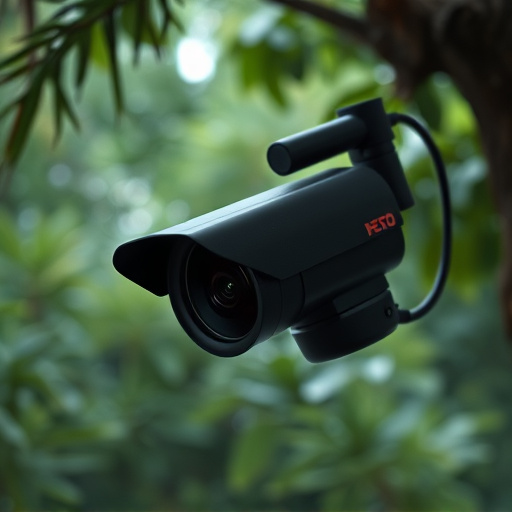
Before setting up a wireless hidden camera network, identify specific needs (home security, pet monitoring, or covert surveillance) that will determine camera type, number, and placement. Choose quality equipment with high resolution, night vision, reliable wireless connection, and storage options like SD cards or cloud services. Invest in top-tier components for a robust system, and configure sensitive settings for optimal performance after setting up the discreet motion-activated surveillance system. Test the system to ensure accurate response to changes in light or heat, not just door openings or windows.
“Uncover the power of discreet home security with a wireless hidden camera network. This comprehensive guide will transform your space into an intelligent surveillance system. From understanding your requirements for a robust, yet subtle, Discreet Motion Activated Surveillance System to setting up connections and configuring motion sensors, each step ensures optimal performance. Learn how to test and fine-tune your setup for ultimate peace of mind.”
- Understanding Your Needs and Choosing the Right Equipment
- Setting Up the Wireless Network and Camera Connections
- Configuring Motion Activation and Testing the System
Understanding Your Needs and Choosing the Right Equipment
Understanding your needs is the first step in setting up a wireless hidden camera network. Are you looking to protect your home, monitor pets or children, or conduct covert surveillance? The answer will dictate the type and number of cameras, as well as their placement. A discreet motion-activated surveillance system, for example, excels at alerting you to unusual activity without drawing attention to itself.
Choosing the right equipment involves selecting cameras with adequate resolution and night vision capabilities, a reliable wireless network connection, and storage options like an SD card or cloud service. Additionally, consider features such as two-way audio and remote access through a mobile app for enhanced functionality. Remember, investing in quality components will ensure a more robust and efficient hidden camera network setup.
Setting Up the Wireless Network and Camera Connections
Setting up a wireless hidden camera network involves creating a discreet motion-activated surveillance system that allows you to monitor your space remotely. Begin by ensuring reliable internet connectivity throughout the area you wish to cover. Choose a central access point strategically placed for optimal signal strength, then connect all your cameras to this hub wirelessly.
Each camera should be configured with its own unique network settings, enabling seamless integration into your system. Utilise the provided apps or software to pair and control each device, ensuring they feed live video and alerts directly to your preferred viewing platform. This setup offers unparalleled convenience, allowing you to keep a watchful eye on your surroundings from anywhere, at any time.
Configuring Motion Activation and Testing the System
Setting up a discreet motion-activated surveillance system involves configuring sensitive settings for optimal performance. After connecting your wireless hidden camera network, access the system’s control panel or app to fine-tune motion detection parameters. Here, you can adjust sensitivity levels, define specific areas to monitor, and set activation triggers. Ensure ‘motion’ is detected based on changes in light or heat, rather than simply opening doors or windows, for truly discreet operation.
Testing your system is crucial to verify its effectiveness. Simulate various scenarios, such as leaving a room, returning after a period of time, or introducing objects into the monitored area. Observe how the system responds by checking video feeds and receiving alerts (if enabled). This step ensures the motion activation works as intended, providing peace of mind and confidence in your hidden camera network’s capabilities.
Setting up a wireless hidden camera network is an effective way to implement a discreet motion activated surveillance system. By understanding your requirements, selecting appropriate equipment, and following structured steps for network setup and configuration, you can create a robust and efficient security solution. With these guidelines, you’re well-equipped to transform your space into a safe and monitored environment without compromising on privacy or aesthetics.