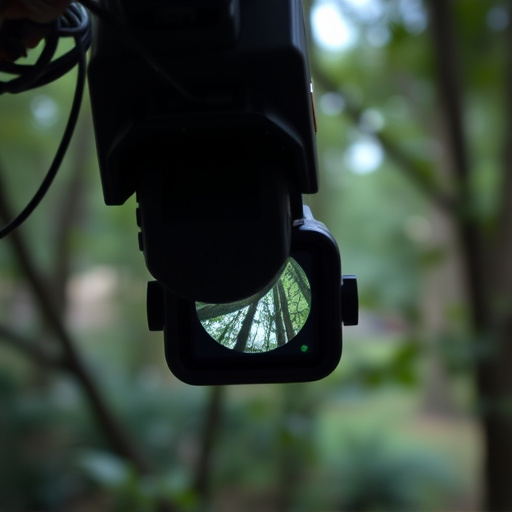
Detecting discreet motion-activated surveillance systems requires specialized RF (radio frequency) detectors and keen observation. These advanced, hidden cameras operate quietly, emitting unique signals that can be identified using professional-grade RF tools. A thorough sweep of the area, isolating signal sources, and understanding legal boundaries are crucial steps. Ethical use involves responsible surveillance, transparency, informed consent, and respect for privacy rights.
Uncover the insidious world of hidden cameras with our comprehensive guide on detecting them using radio frequency (RF) technology. From understanding how RF works in discreet motion-activated surveillance systems to identifying and locating these devices, this article equips you with essential knowledge. Learn about specialized tools, legal considerations, and ethical use cases related to RF signal detection. Stay informed and protect your privacy in today’s tech-driven landscape.
- Understanding Radio Frequency (RF) Technology in Hidden Cameras
- Detecting Discreet Motion-Activated Surveillance Systems
- Tools and Equipment for RF Signal Detection
- Steps to Identify and Locate Hidden Cameras Using RF
- Legal Considerations and Ethical Use of RF Detection Techniques
Understanding Radio Frequency (RF) Technology in Hidden Cameras
Hidden cameras, often employed for surveillance in both public and private spaces, utilize radio frequency (RF) technology to transmit data secretly. This advanced method allows for discreet motion-activated surveillance systems that can go unnoticed for extended periods. RF technology enables these devices to communicate wirelessly over short distances, making them ideal for capturing video or images without drawing attention.
By employing RF signals, hidden cameras can operate autonomously, activated by movement within their range. This feature is particularly appealing for security purposes as it ensures constant monitoring without the need for continuous human intervention. The technology’s low-power consumption and ability to transmit data stealthily make it a preferred choice for creating comprehensive surveillance networks while maintaining a high level of discretion.
Detecting Discreet Motion-Activated Surveillance Systems
Detecting discreet motion-activated surveillance systems requires a blend of technological expertise and keen observation. These advanced systems are designed to operate quietly in the background, capturing footage only when movement is detected, making them particularly hard to identify. They often come in the form of tiny cameras hidden within everyday objects like light bulbs, smoke detectors, or even fake rocks, making them nearly invisible to the untrained eye.
To uncover these hidden sentinels, experts recommend using specialized RF (radio frequency) detectors capable of picking up signals from active surveillance devices. Additionally, careful inspection of areas with unusual installations or peculiar behavior patterns can lead to the discovery of discreet motion-activated cameras. It’s a subtle art that combines technology and detective work, ensuring privacy and security in an increasingly connected world.
Tools and Equipment for RF Signal Detection
Detecting hidden cameras, particularly those employed in discreet motion-activated surveillance systems, requires specialized tools and equipment to unmask their presence. RF (radio frequency) signal detectors are a key component in this process, as they can identify the distinct signals emitted by these hidden devices. These detectors pick up on the radio waves that many surveillance systems use for activation and data transmission, enabling users to pinpoint the location of the camera.
Professional-grade RF signal detectors offer advanced features like frequency scanning, sensitivity adjustments, and real-time signal visualization. They can detect a wide range of frequencies, ensuring compatibility with various hidden camera technologies. Additionally, these tools often include GPS functionality for mapping detected signals, making it easier to navigate and identify the source in complex environments.
Steps to Identify and Locate Hidden Cameras Using RF
To identify and locate hidden cameras using radio frequency (RF), start by understanding that many discreet motion-activated surveillance systems operate within the RF spectrum. These devices are designed to be virtually invisible, making them ideal for covert monitoring. The first step is to conduct a thorough sweep of the area using specialized RF detectors or scanners. These tools can pick up signals from hidden cameras, even if they’re not actively transmitting data.
During the sweep, pay close attention to any unusual peaks or consistent signals that don’t match known devices in the vicinity. Once identified, further investigation is required. This may involve temporarily deactivating nearby electronic equipment to isolate the source. By carefully analyzing the RF signature, you can pinpoint the exact location of the hidden camera, ensuring its successful detection and neutralization.
Legal Considerations and Ethical Use of RF Detection Techniques
When employing Radio Frequency (RF) detection techniques to uncover hidden cameras, it’s paramount to navigate the legal landscape and uphold ethical standards. The use of such technology raises privacy concerns, especially in public spaces. Many countries have laws governing surveillance, with regulations varying based on the nature of the setup and the information being collected. For instance, a discreet motion-activated surveillance system may be legally acceptable for home security, but deploying similar technology in a public area without proper authorization could be a breach of privacy rights.
Ethical considerations come into play when using RF detection tools. While these devices can help protect individuals from invasive monitoring, they must be employed responsibly to avoid intruding on personal spaces and freedoms. Users should be transparent about their surveillance efforts and respect the boundaries set by laws and ethical guidelines. Ensuring informed consent, especially in professional settings, is crucial to maintaining a balance between security needs and individual privacy.
Understanding the technology behind hidden cameras, such as Discreet Motion-Activated Surveillance Systems utilizing radio frequency (RF) signals, is a powerful tool for privacy protection. By employing RF signal detection techniques, individuals can now identify and locate these covert devices with enhanced precision. With the right tools and equipment, as outlined in this guide, anyone can navigate through the process of detecting hidden cameras, ensuring a safer and more secure environment. However, it’s crucial to respect privacy laws and ethical guidelines when utilizing these methods.